
Reverse-Seared Ribeye: The Foolproof Method for a Steakhouse Crust
Edge-to-edge pink, a deep brown crust, and no guesswork. The reverse sear is the most reliable way to cook a thick steak — and it is easier than the traditional method. Here is how.
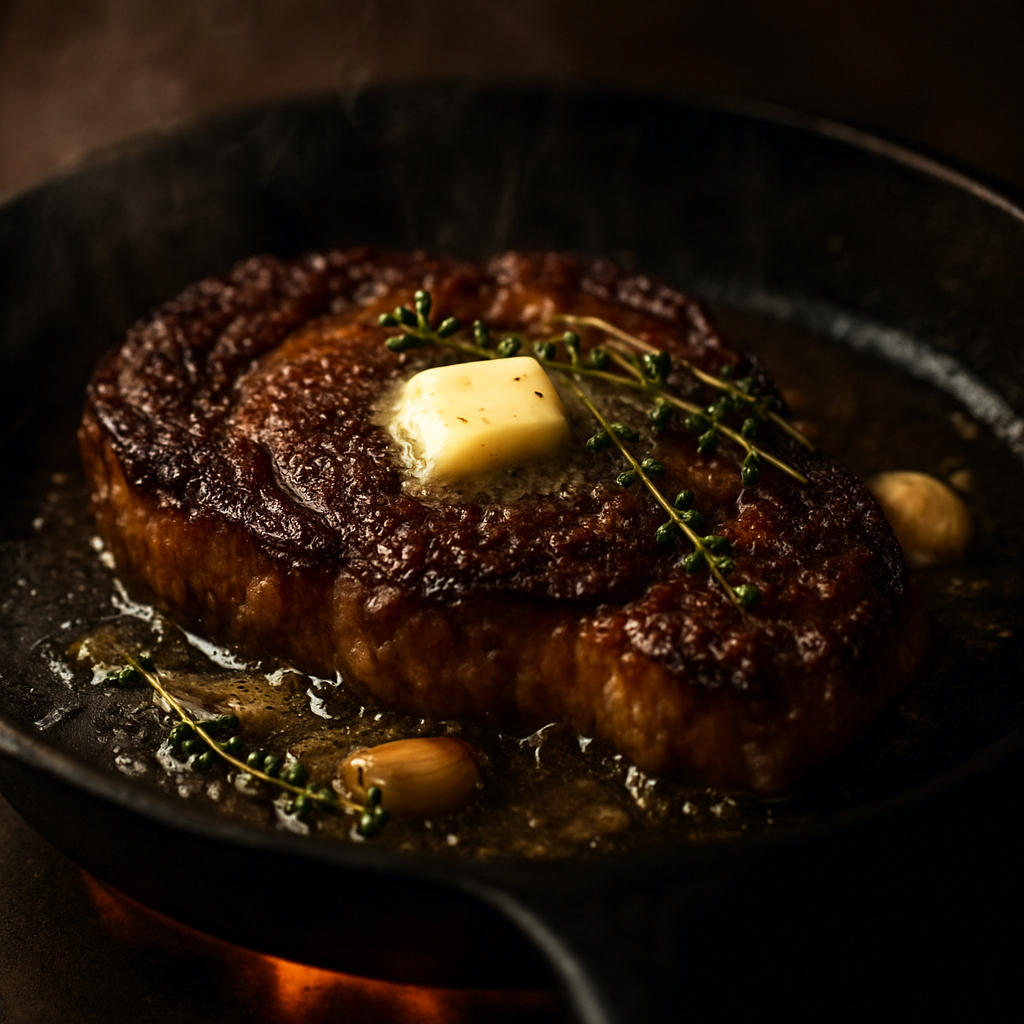
If you have ever cut into a steak and found a thick band of gray, overcooked meat under the crust, the reverse sear is your fix. Instead of searing first and hoping for the best, you cook the steak gently to temperature, then sear it hard at the very end. The result is edge-to-edge pink with a crust worthy of a steakhouse.
Why it works
A thick steak over high heat cooks unevenly — the outside overcooks before the center catches up. Cooking low and slow first brings the entire steak to your target temperature evenly. A dry, room-temperature surface then sears in seconds, so almost no overcooking happens during the crust-building stage.
Start thick
The reverse sear needs a steak at least 1.5 inches thick to work its magic. Ask us to cut your ribeyes extra thick — anything thinner is better off seared the traditional way.
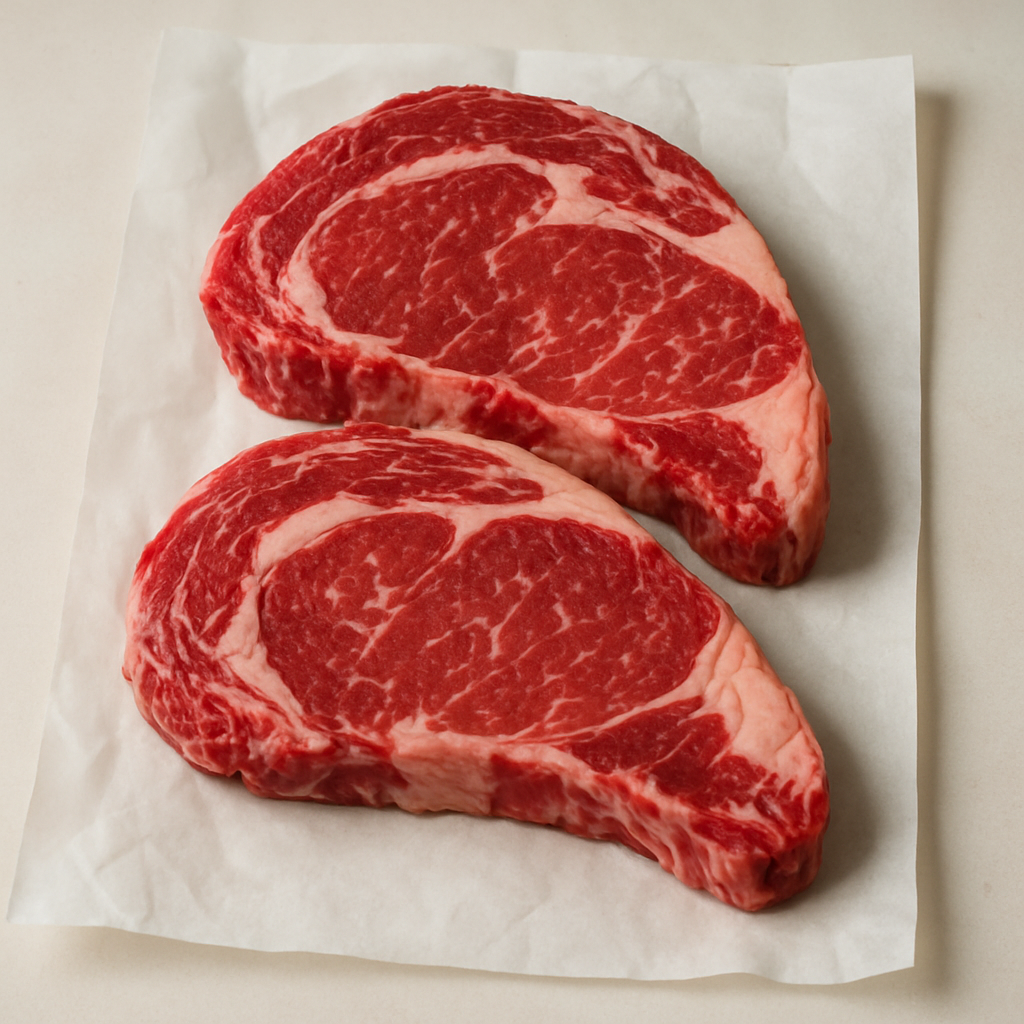
Beef Ribeye Steaks
Ask the counter for a thick-cut ribeye — we will cut it to order at 1.5 inches or more.
- 1
Salt and wait
Salt the steak generously and let it sit uncovered on a rack, ideally 45 minutes at room temperature or overnight in the fridge. A dry surface is the key to a good crust.
- 2
Low oven or cool grill
Cook at 250°F — in the oven on a rack or on the indirect side of a two-zone grill — until the center reads about 10–15°F below your target.
- 3
Rest briefly and dry
Pull the steak, let it sit a few minutes, and pat the surface bone dry. Moisture is the enemy of a sear.
- 4
Sear screaming hot
Get a cast iron pan or the grill ripping hot. Sear 45–60 seconds per side, basting with butter, garlic, and thyme.
- 5
Serve right away
Because the steak already rested, you can slice and serve immediately. No second rest needed.
Target temperatures
- Rare: pull at 110°F, sear to 120°F
- Medium-rare (our pick): pull at 120°F, sear to 130–135°F
- Medium: pull at 130°F, sear to 140°F
“The reverse sear takes the guesswork out of steak night. Cook to temperature, then sear for color — it is almost impossible to mess up.”
— Dale Crystal
This method works just as well on a thick New York strip or a center-cut tenderloin. Once you have it down, you will never go back to crossing your fingers over a hot pan.
Keep Reading
 Specials
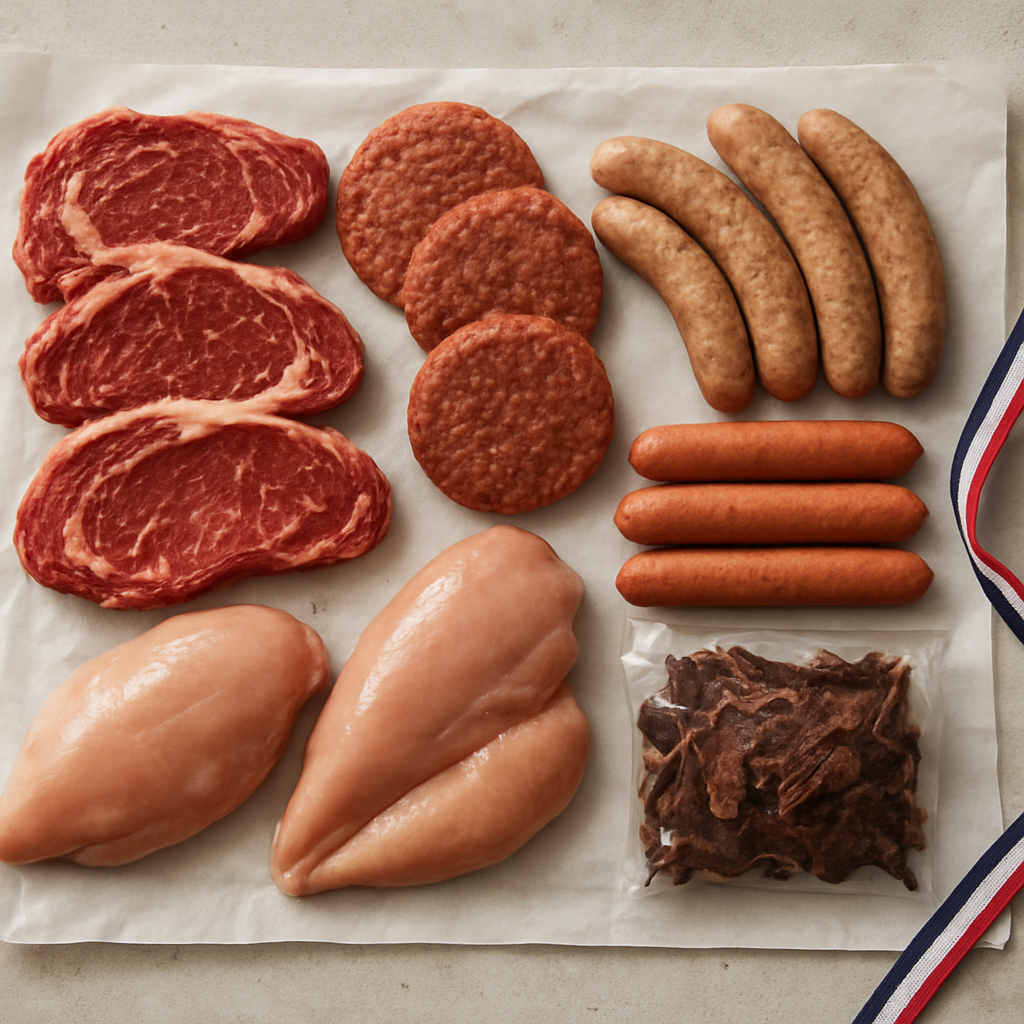
The 250 oz Butcher's Select Huddle: Our Pack for America's 250th
America turns 250, so we built a 250-ounce tailgate pack to match. Steaks, burgers, brats, dogs, and jerky — one box, built to feed the whole huddle. Here is what is inside and how to cook it.
Read more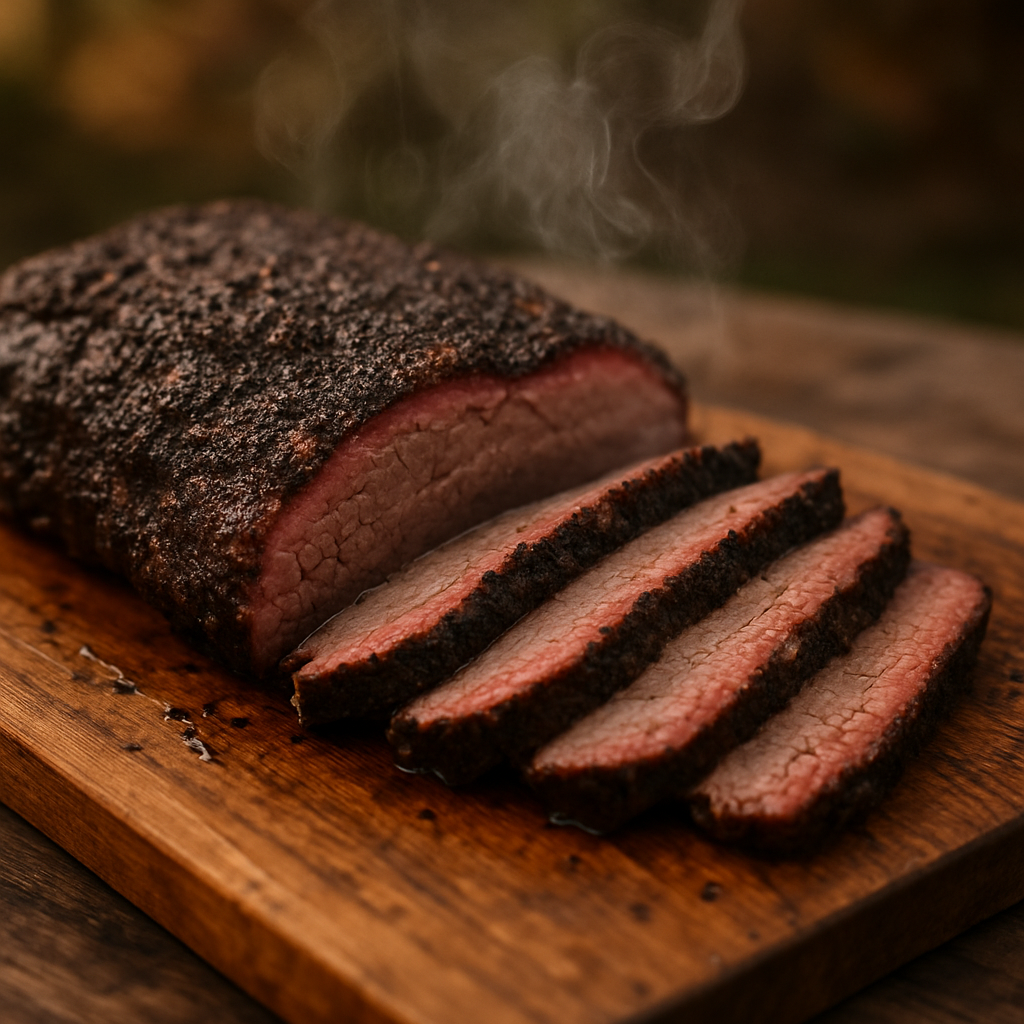 Guides
How to Smoke the Perfect Brisket for Memorial Day Weekend
A whole packer brisket is the centerpiece your Memorial Day cookout deserves. Here is our counter-tested method for bark, smoke ring, and butter-tender slices — start to finish.
Read more Grilling Tips
How to Set Up a Charcoal BBQ: A Pitmaster's Starter Guide
Gas is convenient, but charcoal is flavor. If you have ever struggled to light coals or burned everything to a crisp, these counter-tested tips will turn your kettle into a reliable cooking machine.
Read more